The Philadelphia Eagles are beginning to seriously evaluate their long-term stadium future as their lease at Lincoln Financial Field runs through 2032. Over the past year, the organization has started early research into whether it makes more sense to renovate their current home or construct an entirely new stadium.
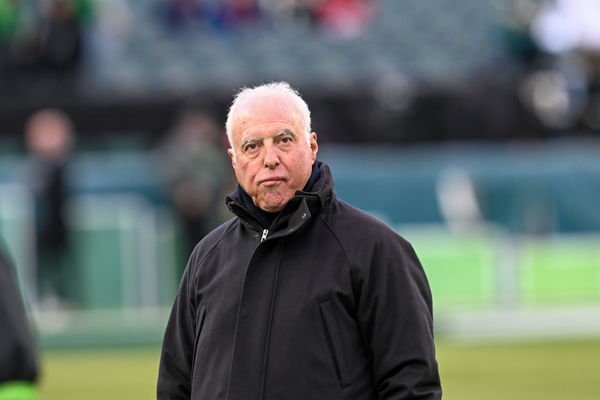
Although the process is still in its early stages, team owner Jeffrey Lurie recently made comments that could concern fans. He emphasized that any decision will be driven by what benefits fans the most, rather than being tied strictly to a specific location. His remarks suggest that even relocating outside Philadelphia is not being ruled out if it leads to a better overall experience.
Previously, the team surveyed season ticket holders to gather input on preferred stadium designs. Options included various open-air concepts as well as covered or fully domed structures. This mirrors a similar evaluation period more than two decades ago, when the franchise transitioned from Veterans Stadium to its current home.
The Eagles have a long-standing connection to South Philadelphia, where they have been based since 1971 at the South Philadelphia Sports Complex. Throughout their history, nearly all of their permanent home venues have been located within the city. Since opening in 2003, Lincoln Financial Field has played a major role in preserving fan traditions, especially tailgating, thanks to its layout and parking capacity.
Despite this strong local identity, Lurie’s comments indicate that geography will not be the deciding factor moving forward. While that approach prioritizes fan experience, it may not sit well with supporters who value the team’s deep roots in Philadelphia.
Although Lurie has acknowledged that Lincoln Financial Field remains a high-quality venue, he also noted that no stadium stays ideal forever. By the end of the decade, it could become one of the oldest stadiums in the division, particularly as newer facilities are developed elsewhere.
Across the league, there is a growing trend of teams building new stadiums outside traditional city centers or even across state lines. The Kansas City Chiefs, for example, have announced plans to move from Arrowhead Stadium to a new venue in a neighboring state. Similarly, the Chicago Bears are exploring relocation options beyond Chicago.
Still, a new stadium is not the only path forward. Renovating Lincoln Financial Field remains a viable option that would allow the Eagles to stay in South Philadelphia while modernizing the facility.
With several years remaining on the current lease, the organization has time to carefully weigh its choices. Lurie has stressed the importance of studying other projects, including new NFL stadium developments and international renovations, to understand best practices. Among the examples being examined are upgrades to Camp Nou in Barcelona and Santiago Bernabéu Stadium in Madrid.
The team is also continuing to improve its existing facilities in the meantime. One key long-term objective is to host a Super Bowl. However, recent Super Bowl selections have favored indoor or weather-protected venues. That means achieving this goal could require adding a roof to the current stadium or building a new domed facility.
Another important factor is that Lincoln Financial Field is owned by the city of Philadelphia, not the team. Any major renovation would therefore involve negotiations with city officials and likely public participation.
Ultimately, while no final decisions are imminent, the Eagles are keeping all possibilities open. Whether through renovation or relocation, the organization aims to create the best possible experience for its fans before committing to its next stadium plan.