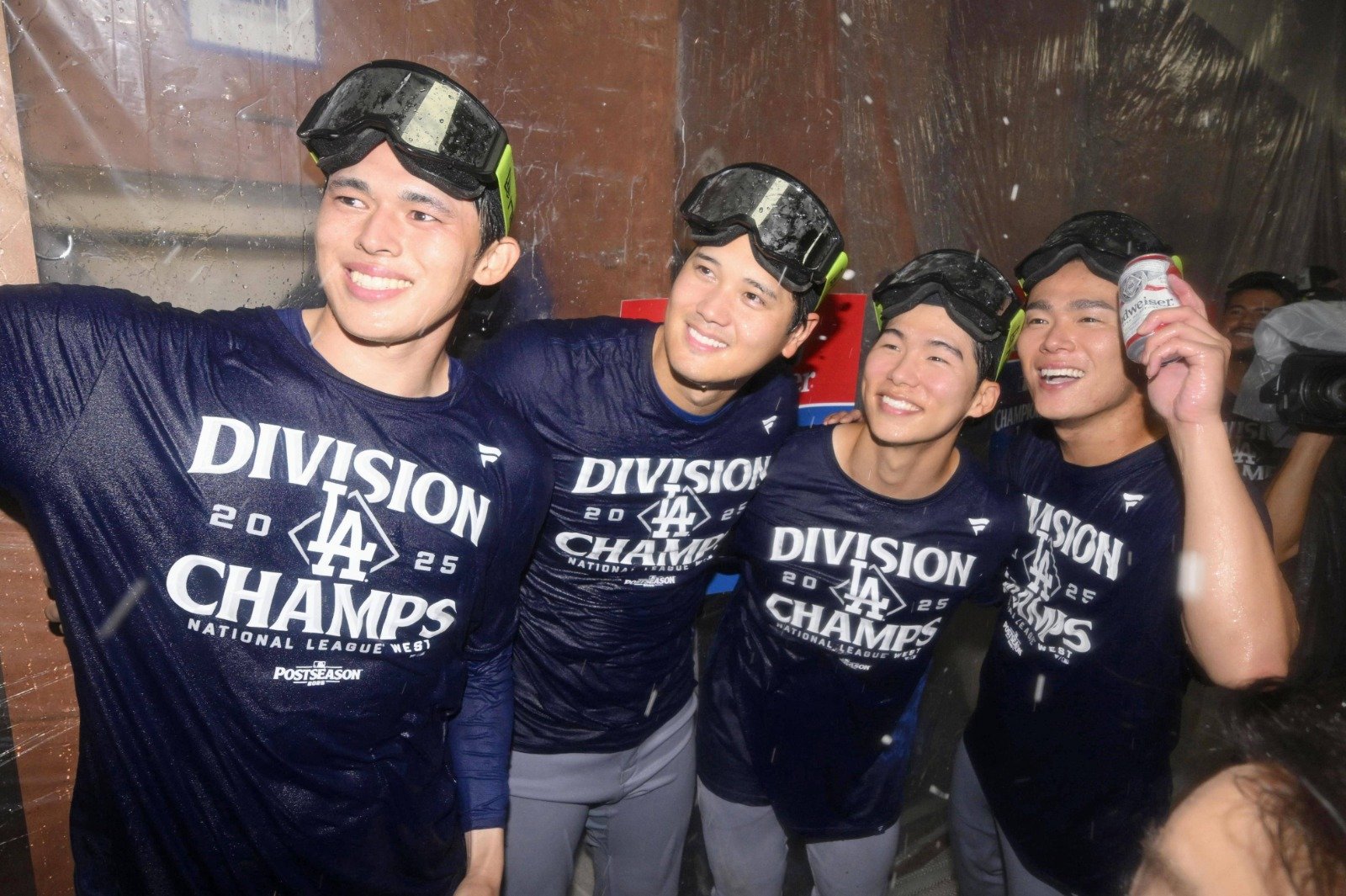
Even the Los Angeles Dodgers—one of the biggest spenders in baseball—are not immune to setbacks. After winning two consecutive titles, the main question among fans now is whether the Dodgers can achieve a rare **three-peat** or if that expectation may be unrealistic. For Los Angeles to win another championship, they must navigate several obstacles during the upcoming season. These challenges range from pitching depth concerns to increasing competition across the league. — ## Heavy reliance on the starting rotation The Dodgers have built much of their success around their starting pitching staff. These pitchers are expected to deliver strong performances every five days, and their reliability has been crucial during key moments, including the 2025 World Series. Two starters who played major roles during that championship run were Blake Snell and Yoshinobu Yamamoto. Both delivered long and dominant outings during the postseason. Snell, however, was limited throughout the regular season due to shoulder inflammation. He made only **11 starts in 2025**, but still managed to record a **2.35 ERA with 72 strikeouts** before the playoffs began. Yamamoto also performed impressively, finishing the season with a **12–8 record, a 2.49 ERA, and 201 strikeouts**, establishing himself as a cornerstone of the pitching staff whenever he was healthy. Another talented arm, Tyler Glasnow, also struggled with durability. Shoulder inflammation and other physical issues restricted him to **18 starts and just over 90 innings**, raising concerns about the stability of the rotation. Meanwhile, legendary pitcher Clayton Kershaw—who posted an **11–2 record with a 3.36 ERA**—is no longer part of the Dodgers’ long-term plans. At **37 years old**, Kershaw has stepped away from regular competition and will only return to the field briefly to represent **Team USA** in the World Baseball Classic before transitioning into a broadcasting career. Because of these uncertainties, additional pressure may fall on Shohei Ohtani as he works his way back into a full pitching role. Ohtani returned cautiously to the mound last season, finishing with a **2.87 ERA across 14 starts and 47 innings**. However, he rarely exceeded **80 pitches** during games until the playoffs, indicating that the team was carefully managing his workload. Dodgers manager Dave Roberts intentionally limited Ohtani’s innings to avoid rushing his recovery. While this cautious approach protected the star pitcher, it also leaves questions about whether Ohtani can handle the demands of a full season. Another pitcher whose role remains unclear is Roki Sasaki. His **2025 season as a starter was inconsistent**, finishing with a **4.72 ERA**. Later in the year, he transitioned into a relief role and performed much better, posting a **1.29 ERA and recording three saves in three postseason appearances**. Although this improvement highlighted Sasaki’s potential, it also demonstrated that the Dodgers have not yet firmly established his role in the pitching staff. If the bullpen behind the rotation continues to struggle, even minor mistakes from starting pitchers could quickly escalate into bigger problems. Baseball games often hinge on extremely small margins. For instance, Yamamoto nearly pitched a **no-hitter in September**, only to see it slip away because of late-inning runs. Moments like that illustrate how quickly a dominant performance can turn into a disappointing result. When the Dodgers rely on the same small group of starters, every injury concern or skipped turn in the rotation can ripple throughout the team. — ## Rising competition across the league Another major challenge facing the Dodgers is the growing strength of other teams around Major League Baseball. Several organizations are expected to contend for the championship in 2026, making the road to another title much tougher. Teams frequently mentioned as serious threats include the New York Yankees, Toronto Blue Jays, Philadelphia Phillies, and Atlanta Braves. Both the Yankees and Blue Jays appear in multiple expert rankings as top contenders. Their balanced lineups and strong pitching staffs could challenge the Dodgers throughout the season and in the playoffs. The Phillies and New York Mets are also projected to field competitive rosters capable of making deep postseason runs. Meanwhile, the Braves are expected to rebound from a disappointing **2025 campaign**. Many projections suggest they could return to form with **more than 90 wins**, thanks to their combination of power hitters and solid pitching depth. Within the Dodgers’ own division, rivalries also create additional pressure. The long-standing competition between Los Angeles and the Arizona Diamondbacks demonstrated how tight these matchups can be. Although the Dodgers hold a historical advantage in the series—**273 wins to Arizona’s 205**—recent games have been far more competitive. In fact, during the last **42 meetings**, Los Angeles has only a **22–20 edge**, showing that the Diamondbacks remain a formidable opponent. One memorable example occurred in **September 2025**, when Arizona secured a dramatic **5–4 walk-off victory** after trailing earlier in the game. Performances like that illustrate how divisional opponents can challenge even the most talented teams. Throughout a long season, facing strong rivals repeatedly can wear down even championship-caliber teams. — ## Unpredictable bullpen performance Another concern for the Dodgers has been the inconsistency of their bullpen. During the **2025 season**, Dodgers relievers combined for a **4.27 ERA** and blew **27 saves**, one of the highest totals in the league. These struggles forced starting pitchers to remain in games longer than usual in order to protect narrow leads. The bullpen’s issues were especially noticeable during the National League Division Series against the Phillies. Because the relief pitchers were unreliable, the Dodgers’ starting rotation had to cover extra innings to maintain control of games. Roki Sasaki played an important role in those playoff contests, recording saves in **Game 1 and Game 2**. In one tense moment, reliever Blake Treinen surrendered late runs in the ninth inning, allowing Philadelphia to tie the game before Sasaki secured the final out. Similar issues appeared in the World Series against the Blue Jays. In **Game 1**, Toronto’s hitters overwhelmed the Dodgers’ bullpen, resulting in an **11–4 victory** for the Blue Jays. Even when the Dodgers’ starters dominated early innings, the relief pitchers sometimes struggled to maintain those advantages. Recognizing these weaknesses, the organization made a significant offseason move by signing All-Star closer Edwin Díaz to a **three-year contract worth $69 million**. Díaz had an outstanding **2025 season**, posting a **1.63 ERA and 28 saves over 66⅓ innings**, making him one of the most reliable relievers in baseball. His presence is expected to stabilize the bullpen and reduce the tension fans experienced during late-inning situations. For the Dodgers to pursue another championship, the bullpen must become as dependable as the starting rotation and the lineup. — ## An aging offensive lineup Another factor that could affect the Dodgers’ title chances is the age of their everyday lineup. During the **2025 season**, the team had one of the oldest lineups in baseball. Several key players were already in their early-to-mid 30s, including: * Mookie Betts (32) * Freddie Freeman (35) * Max Muncy (34) * Kiké Hernández (33) Among the regular players, only younger contributors such as Andy Pages—who is 24—represented the next generation. Aging lineups can gradually lose speed and power, especially as injuries become more common over long seasons. Betts, for example, had a respectable **.258 batting average with a .732 OPS across 150 games**, but those numbers were below the elite production Dodgers fans had grown accustomed to. His performance fell short of his career **.881 OPS average**. Freeman remained productive, finishing with a **.295 batting average, 24 home runs, 90 RBIs, and an .869 OPS**. However, these numbers represented steady performance rather than an improvement on his previous peak seasons. Max Muncy contributed **19 home runs and a .243 average in 100 games**, while Kiké Hernández struggled more significantly, hitting **.203 with 10 home runs** during the regular season before improving in the postseason. These outputs highlight the potential risks of depending heavily on veteran players. Two players who could energize the lineup are Shohei Ohtani and offseason acquisition Kyle Tucker. Ohtani delivered a spectacular postseason performance in 2025, batting **.405 across 17 playoff games**. Tucker, who joined the Dodgers in 2026 at **age 29**, brings both power and speed. Prior to joining Los Angeles, he had accumulated **more than 130 home runs and 105 stolen bases**, making him one of the league’s most dynamic players. However, relying too heavily on these stars could place additional strain on the rest of the roster during a long season. — ## The pressure of a massive payroll The Dodgers’ enormous payroll has also become a topic of debate across baseball. In **2025**, the team’s luxury-tax payroll exceeded **$417.3 million**, resulting in a record **$169.4 million tax payment**—the largest ever paid by a single team. This figure surpassed their previous record tax bill of **$103 million in 2024**. Despite spending more money than many teams combined, the Dodgers still faced tight playoff games and difficult series. This highlights an important truth in baseball: financial resources alone cannot guarantee success. A similar situation occurred with the New York Mets in **2023**, when their total payroll and tax obligations exceeded **$420 million**, yet they failed to reach the playoffs and finished with an **83–79 record**. That same year, teams with significantly smaller payrolls—such as the Texas Rangers and the Diamondbacks—managed to reach the World Series. The New York Yankees also illustrate this paradox. Despite maintaining massive payrolls for decades, their championship success has not always matched their financial investment. High spending often brings enormous expectations from fans and media. This pressure can affect players and coaches, especially when every loss becomes a major storyline. For the Dodgers, their financial advantage—roughly **$96 million higher than the next-closest team’s payroll for 2026**—has placed them at the center of league-wide discussions about competitive balance and potential salary caps. As a result, the organization faces not only on-field challenges but also the scrutiny that comes with being baseball’s biggest spender. — ## The road to another championship All these factors combine to make the Dodgers’ quest for a **third consecutive championship** far from guaranteed. They possess tremendous talent and financial strength, but they must overcome several issues: maintaining pitching health, strengthening the bullpen, managing an aging lineup, and competing against a league full of hungry challengers. In baseball, even a single swing or one dominant pitching performance can change the direction of an entire season. For the Dodgers, every game will matter as they attempt to turn their championship run into a historic three-peat. ⚾