Max Verstappen Sparks Concern After Blunt Reaction to 2026 F1 Cars
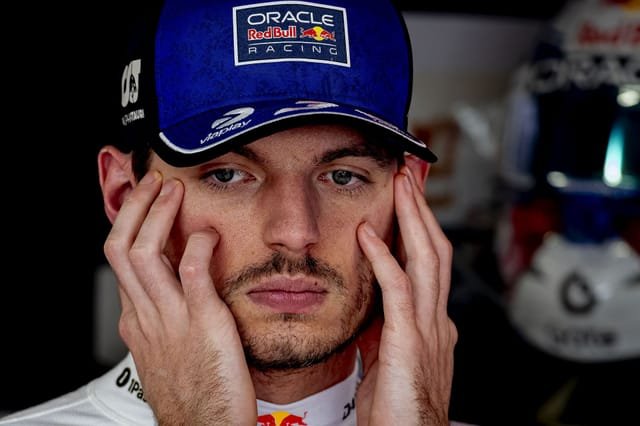
There are many sides to Max Verstappen, but what unfolded during the Japanese Grand Prix left the Formula 1 world stunned. Known for his sharp focus and controlled aggression, Verstappen appeared unusually unsettled—almost questioning his place in the sport.
During media interactions, the Dutch driver gave off the impression of someone grappling with deeper frustrations. It wasn’t just about a bad race weekend. It felt bigger—like a growing disconnect between a driver at his peak and a sport heading in a direction he no longer fully supports.
—
Frustration Boils Over
Verstappen’s dissatisfaction with the upcoming 2026 regulations is no secret. But in Japan, that frustration reached a new level. His tone and body language suggested that the issue is no longer just technical—it’s personal.
The reigning world champion has openly indicated that Formula 1, as it is evolving, is no longer as enjoyable for him. That sentiment is alarming for a sport that has heavily benefited from his dominance and star power in recent years.
Across the paddock, he is not alone. Multiple drivers have voiced concerns that their feedback on the new regulations has been largely ignored by the sport’s governing body, FIA.
—
Why the 2026 Cars Are Facing Backlash
The criticism of the 2026 cars is widespread, but Verstappen has been one of the most vocal. After early testing, he even described the new generation as “anti-F1”—a strong statement that is now gaining more context.
One of the biggest issues lies in how the cars manage energy. Drivers are no longer able to push flat-out through high-speed sections because those areas are crucial for harvesting electric power. Instead of attacking corners and maximizing performance, drivers are forced to hold back.
This shift fundamentally changes the nature of racing. Formula 1 has always been about precision, bravery, and pushing machines to their absolute limits. But under the new system, drivers are required to “underdrive” at times—something that goes against the very DNA of the sport.
Another major concern is control. With power units now relying heavily on electric energy—up to 50%—a significant portion of performance is managed by software and algorithms rather than the driver. This reduces the direct influence a driver has on the car, making the sport feel less driver-centric.
Even safety has come into question, especially after incidents like the one involving Oliver Bearman at the Suzuka Circuit, which exposed potential vulnerabilities in how these cars behave under stress.
—
A Grid Divided
While Verstappen and Lando Norris have been outspoken, others like Charles Leclerc and George Russell have taken a more measured approach. Still, frustration exists across the grid.
The difference lies in how openly drivers are willing to challenge the system. Verstappen, already a multiple-time world champion, has less to prove—and perhaps less to lose by speaking his mind.
—
Retirement No Longer Unthinkable
At just 28 years old, Verstappen is in his prime. A four-time world champion, he has already secured his place among the greats of Formula One. Yet, his recent comments suggest that motivation may be fading.
He has repeatedly stated that he is not driven by records. The idea of chasing eight championships does not excite him. Combined with his apparent lack of satisfaction with the new regulations, it raises a serious question: what is left to motivate him?
There is also a growing sense that Verstappen does not currently see a consistent rival capable of pushing him to new heights. While talents like Leclerc and Russell are respected, the past few seasons have reinforced his dominance at the top.
When a driver feels unchallenged and disconnected from the machinery, the desire to continue can quickly diminish.
—
What It Means for Formula 1
The potential departure of Verstappen would be a massive blow to Formula 1. In recent years, he has become one of the sport’s biggest attractions, drawing in a new generation of fans and elevating global interest.
If a driver of his caliber walks away—not due to age or decline, but because of dissatisfaction with the direction of the sport—it sends a powerful message. It would suggest that the balance between innovation and the core identity of racing has been disrupted.
For Red Bull Racing, it would mean losing their talisman. For Formula 1 as a whole, it would mean losing one of its defining figures.
—
A Defining Moment Ahead
Formula 1 now faces a critical period. The 2026 regulations were designed to push the sport into a more sustainable and technologically advanced future. However, that progress is now being questioned by the very drivers who bring the sport to life.
Max Verstappen’s reaction in Japan may not be a final decision—but it is a warning. If the sport cannot align its future with the passion and instincts of its drivers, it risks losing more than just a champion. It risks losing its essence.